


You may have already heard of Soft Skills ? These are skills derived from our personality traits, which allow us to adapt to a particular context (critical thinking, self-confidence, good stress management, relational skills, etc.). In other words: soft skills are based on our emotional intelligence and our ability to draw on our personal resources in order to evolve in a given environment. These interpersonal skills are now considered to be transversal skills essential for success in various professional sectors. Indeed, the ability to work in a team, solve complex problems, and be flexible is crucial in a constantly changing professional world. Here's how to properly highlight these behavioral skills that are increasingly sought after by recruiters.
Hard skills versus soft skills: making a difference
Unlike soft skills, Hard Skills are technical skills, such as mastering computer languages, languages, software, etc. In other words, it is a skill that you learn during your school apprenticeship, via online courses or in books. However, in a professional world that is increasingly digitized and focused on collaboration, human skills (soft skills) have become just as crucial. Time management, adaptability and the ability to collaborate effectively are essential qualities today for success in work environments that are often interconnected and multidisciplinary.
Quite different, soft skills are behavioral skills such as communication skills, composure, collective skills, relationships, stress management, critical thinking... In short, we talk more about professional interpersonal skills than about know-how, conveyed through soft skills. These relational and emotional skills will allow you, for example, to solve complex problems thanks to your ability to analyze, to change mentalities thanks to your open-mindedness, or to develop your client portfolio thanks to your human and relational qualities. It is also possible to develop skills such as active listening and persuasion, which are among the social skills recruiters are looking for.
What soft skills are most sought after by recruiters?
While the old school swore by hard skills, the situation has changed a lot today: technical skills must now be accompanied by soft skills in a candidate. In an increasingly competitive professional market, we value original personality traits and a good emotional intelligence. In particular, it allows one (or several) employees to adapt to change, because it is no secret that our society has never been so upset by technological changes. This is where interpersonal and relational skills come into their own.
To know how to properly highlight your soft skills, you will first need to identify which skills are important for your employer or the sector of activity in which you are applying. Recruiters are looking for profiles with transferable skills, able to adapt to different types of professional situations. Here are some of the soft skills that recruiters are looking for right now:
Creativity
In some environments, the creativity is one of the soft skills most sought after by businesses, especially in the entrepreneurial environment. Are you joining a start-up? You will then be asked to be full of new ideas to help business development, in order to offer an innovative product that will disrupt the market. Indeed, having creative skills is now a major asset in a context where innovation and agility are essential to face the competition.
In fact, if you join a start-up seeking to develop a new concept or a company wishing to boost innovation, your creativity and your spirit of imagination will sometimes even be valued more than your diplomas by employers!
During thejob interview with your recruiter, do not hesitate to highlight this skill, for example by showing your drawings, the last logo you designated, or even the stories you like to invent.
Team spirit
At a time when the challenges are significant for companies (economic crisis, health crisis, global warming, etc.), recruiters consider team spirit to be one of the key skills. The ability to solve problems collectively, but also to combine synergies for better productivity are all skills highly valued by employers. Soft skills and interpersonal skills are essential qualities here, as they make it possible to strengthen professional relationships and ensure cohesion within the team. Soft skills and interpersonal skills are essential qualities here, as they make it possible to strengthen professional relationships and ensure cohesion within the team.
Note that empathy is also one of the key behavioral skills for teamwork. This soft skill is one of the human qualities that is highly valued in companies, because empathy means better ability to solve problems between employees. During a conflict, empathetic people can help colleagues better understand their peers and take the pressure down a notch. In Fine, it improves the productivity of a team, and it is part of the social skills that make it possible to strengthen the dynamic of a group.
Learning to learn
According to a study conducted by Dell and the Institute for the Future, 85% of jobs in 2030 do not yet exist[1]. LTechnological innovation And the artificial intelligencess, which are becoming more and more advanced, have a very strong impact on the transformation of our businesses. Therefore, learning abilities are now among the most important skills in the professional world, because we will have to constantly learn new methods, techniques, software, in view of the extremely rapid changes in our environment. This ability to evolve, to acquire new skills and to master specific tools has become indispensable in all professional fields.
As the author Jean-Michel Zakhartchouk says, you must” Learn to learn ”. This soft skill involves understanding how our brain works during learning, in order to identify the memory and understanding mechanisms best suited to our functioning. Companies are therefore looking for profiles capable of developing their skills continuously, and of acquiring the skills required to face future challenges.
For example, people with a visual memory or a creative spirit will probably learn better by drawing diagrams. Auditory memories, on the other hand, will favor listening to podcasts. People who are easily distracted will put in place strategies to avoid distractions, etc. In short, learning to learn means maximizing your learning abilities and, in the end, learning much faster. It is not surprising that this is part of the personal abilities that employers and managers are looking for!
How to properly identify your soft skills?
Certainly, it is important to know what skills employers are most looking for. However, be careful not to adapt too much to your interlocutor to match at all costs with the qualities expected in a candidate. These skills must also correspond to your skill profiles! Identify your behavioral skills and your human qualities by taking into account the specific skills that you have been able to demonstrate over the course of your professional experiences.
To do this, start by identifying what your soft skills are, in order to be able to highlight your soft skills. Take stock of your soft skills. For example, you can think about moments in your professional life when you had to use your emotional intelligence, contexts in which you were able to exercise your abilities to solve complex problems, applied your behavioral skills to dismantle a crisis... In short, identify the contexts where your interpersonal skills made it possible to change a situation in the right sense of the word. Also, think about your transferable skills, which are essential for changing sectors or for evolving within new teams.
In addition, do not hesitate to ask those around you, especially the people who know you best! These can be your colleagues, but also your customers, partners, etc. In short, people who have seen you in action at work and who can assess your skills from an outside perspective. In other words: show initiative and interview your professional circle, taking care to choose people you can trust and who will be able to show sincerity.
Good to know: there are also tests to identify your personality traits. These are great tools to help you identify your soft skills shield. The Myer-Briggs test, for example, is a personality test that is very frequently used in the United States. Through a series of questions, it allows you to better target your strengths, your way of understanding the world, your way of communicating, in order to identify your key skills: great relational qualities, leadership skills, human qualities, ability to work under pressure... All elements that will help you better highlight the qualities that best define you and show the recruiter that you know your strengths.
Make the most of your soft skills on your resume
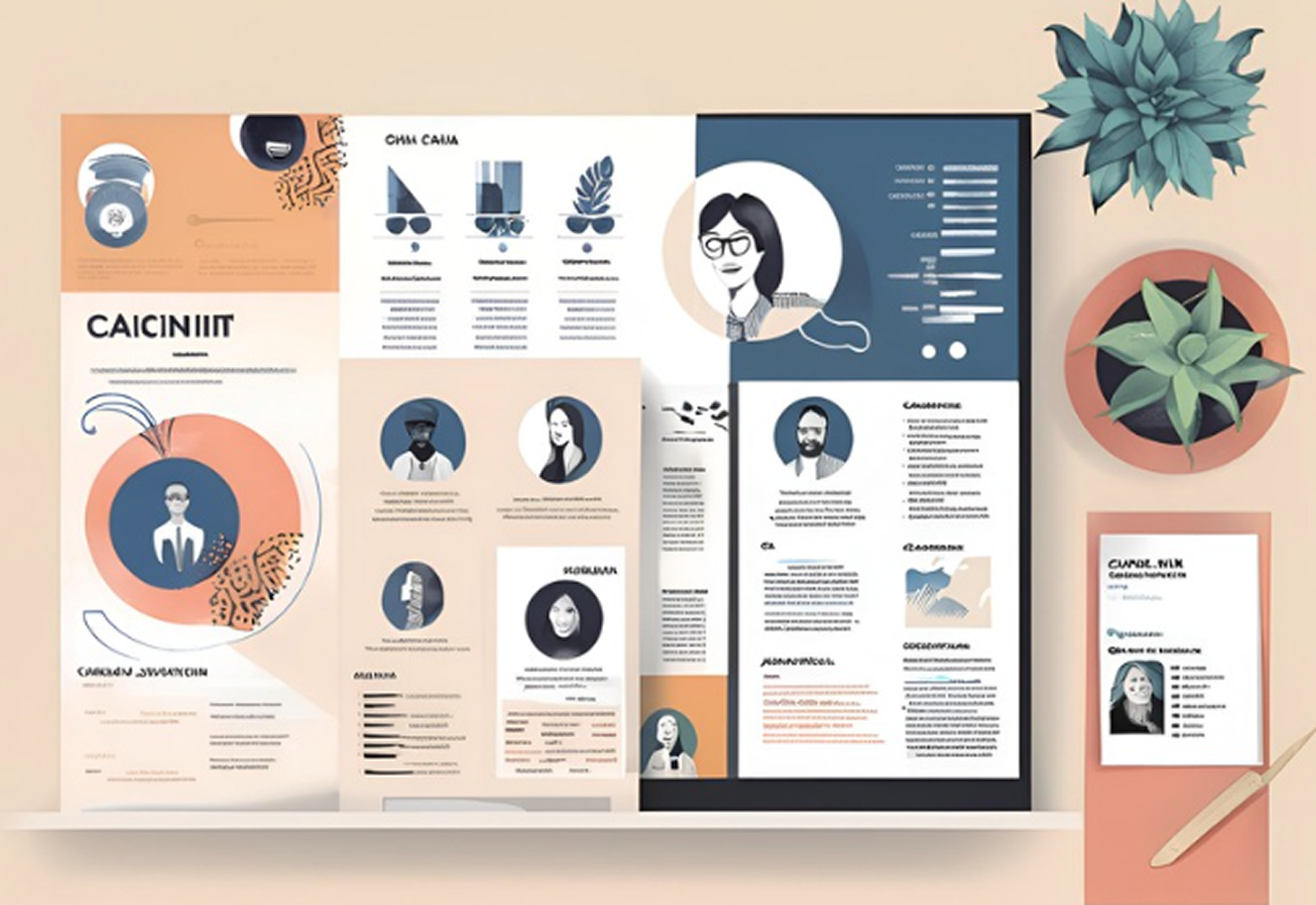
Now that you have identified your soft skills as well as the soft skills that your recruiters are looking for, it is important to value your qualities on your resume. As you no doubt know, the competition is tough: the qualities of the candidate must therefore be put at the forefront. Highlight your relational and interpersonal skills, while integrating them naturally into the description of your professional experiences and missions. These skills demonstrate your interpersonal skills and your ability to manage complex situations at work.
A tip to highlight your professional qualities in your RESUME : put your useful skills under the title of your CV (good interpersonal skills, adaptability, managerial skills, good communication skills...). Here, the aim is to highlight the qualities that you consider essential, both for yourself and for your employer. Be careful, avoid listing very classic abilities and qualities such as: motivation, self-confidence, etc. Think of skills that resemble you and that truly reflect your personality! Showing how you've developed these skills over the course of your career is a great way to demonstrate your commitment to enriching your abilities.
Another tool to highlight soft skills on a resume: consider completing your mission descriptions by adding a few soft skills. For example, if you have been involved in project management, the ability to know how to manage conflicts, good relationships or even the ability to concentrate are all human qualities that you can highlight when describing your position. A little extra: you can also add these elements to your Linkedin profile.
What if you went beyond soft skills, by highlighting your Mad Skills ? The latter are skills considered to be original, atypical and which disrupt the classical business model. These are hobbies and passions practiced at a high level, such as extreme sports or music, and which can bring that little grain of madness sought by some recruiters. It's up to you to play!
[1] Realizing 2030: A Divided Vision of the Future, Dell Technologies, March 2017 (Source)
Nos autres articles
+150,000 candidates use Grimp to manage their job search with thousands of businesses!
Retraining after a first professional experience
Retraining after a first professional experience
Title example goes here
Do you want to change paths after your first job? Find out how to make a successful career transition.
Job Interview: The Complete Guide for Students (Prepare Like a Pro)
Job Interview: The Complete Guide for Students (Prepare Like a Pro)
Title example goes here
Discover how to prepare for and ace your job interview as a student: common questions, mistakes to avoid, attire, body language, and AI tools for practice. Complete Guide 2025.

Apprenticeship: what to do if you are without a company?
Apprenticeship: what to do if you are without a company?
Title example goes here
The start of the work-study program is a crucial step for many students. It is the moment when theory and practice meet, offering a unique opportunity to apply the knowledge acquired at school in a professional context. However, for some, this period can become a source of anxiety if, as September approaches, they still have not found a company to welcome them.